MOQ
100 pcs
Sample lead time
7 days
Bulk production
Depends on order quantity
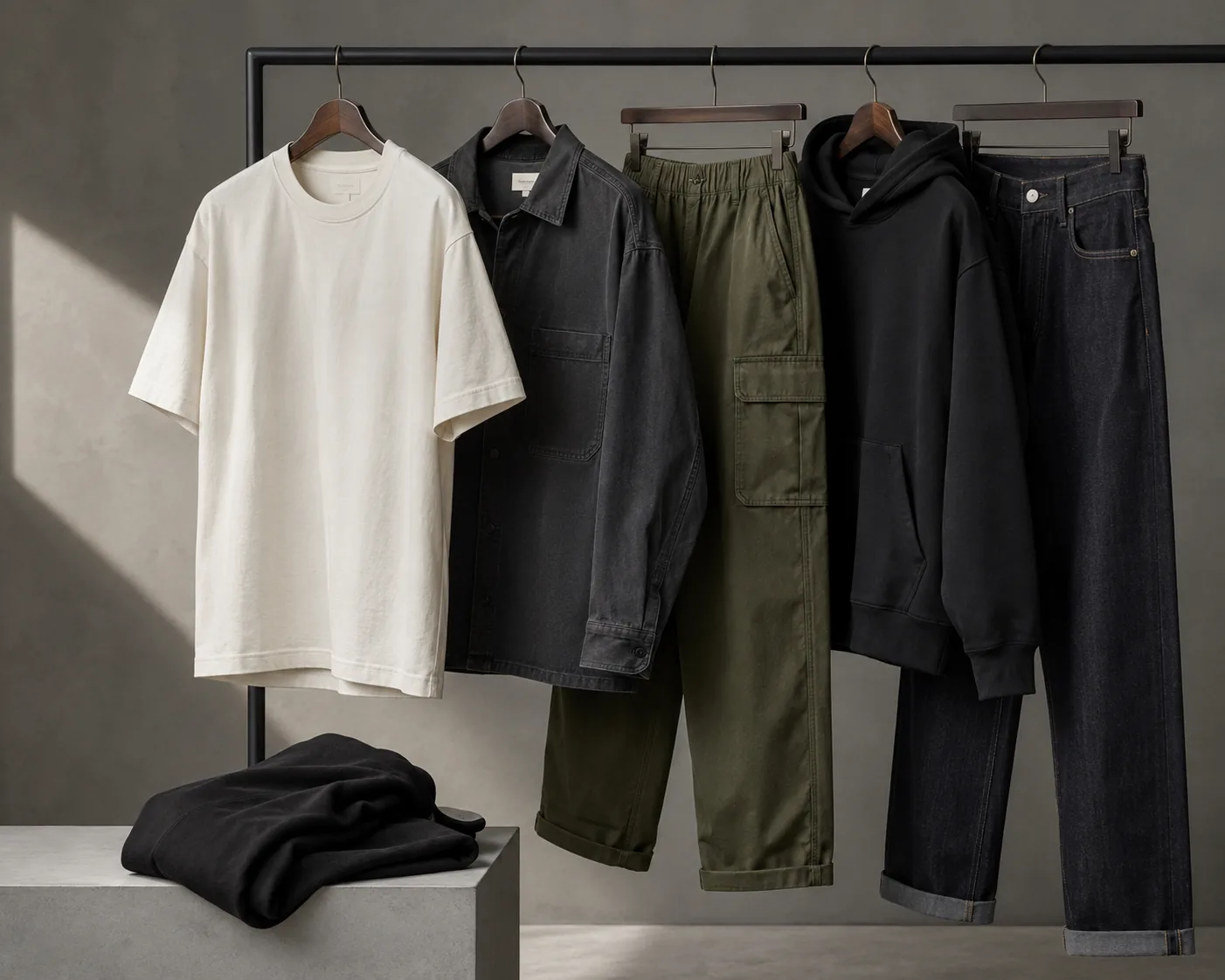
menswear capsule rack with an ivory tee, dark overshirt, olive cargos, hoodie and jeans
Product reference · custom henley shirt manufacturer
Product line sheet

Custom Henley Shirt Manufacturer in China for Menswear OEM

Source custom men's henley shirts with a production brief built around placket length, button count, fabric structure and neck opening. As a custom henley shirt manufacturer, we work from your tech pack or reference sample to define construction, fit and branding before bulk production. MOQ is 100 pcs, with bulk lead time depending on quantity.

Construction and finish options

Placket length and reinforcement, button count and spacing, rib or jersey body selection, neck opening control and branding placement.

Short or extended plackets with buyer-defined button counts and bottom shapesJersey or rib bodies with fabric weight and composition selected for the intended fitShort or long sleeves with hemmed openings or specified rib cuffsPrinted artwork, embroidery, woven labels or neck transfers subject to material and sample review

Nearby production programs

Fields that make this request quotable

These are the details a factory needs before discussing MOQ, sampling, lead time and production scope.

01 State finished placket length, width, layer construction and reinforcement details.02 Confirm button count, diameter, material, color and spacing with matching buttonhole requirements.03 Specify rib or jersey body, fiber composition, target fabric weight and finish.04 Provide garment measurements, neck opening dimensions, grading rules and measurement tolerances.05 Map branding locations, artwork dimensions, label content, wash effect and packing requirements.06 Target quantity by color and size07 Delivery country and required launch date08 Trade term, packing, and shipment needs

Checks to agree before production

Review placket alignment, finished dimensions and reinforcement against the approved sample.Check button placement, buttonhole function and neck opening symmetry.Compare garment measurements, seam appearance and fabric surface with agreed specifications.Review branding placement, finished shade, wash appearance and label content against approved references.

Questions before sampling and ordering

What belongs in a custom henley shirt manufacturer RFQ?

Start with State finished placket length, width, layer construction and reinforcement details., Confirm button count, diameter, material, color and spacing with matching buttonhole requirements., Specify rib or jersey body, fiber composition, target fabric weight and finish., Provide garment measurements, neck opening dimensions, grading rules and measurement tolerances.. Add the quantity by color and size, destination country and required date.

What should the sample confirm for custom henley shirt manufacturer?

The sample should resolve Short or extended plackets with buyer-defined button counts and bottom shapes, Jersey or rib bodies with fabric weight and composition selected for the intended fit, Short or long sleeves with hemmed openings or specified rib cuffs and record the approved measurements, materials, trims and finish before bulk.

What are your MOQ, sample time and bulk lead time?

MOQ is 100 pcs. Samples take 7 days. Bulk production lead time depends on order quantity.

Which checks should be recorded before shipment?

Review placket alignment, finished dimensions and reinforcement against the approved sample., Check button placement, buttonhole function and neck opening symmetry., Compare garment measurements, seam appearance and fabric surface with agreed specifications., Review branding placement, finished shade, wash appearance and label content against approved references. should be compared with the approved sample and packing requirements before release.

Define Placket Length, Button Count and Neck Opening

A useful henley specification starts with the front opening rather than a general style reference. State the finished placket length from a defined neckline point, its visible width, and whether the bottom is square, pointed or otherwise shaped. Include the overlap direction, internal facing construction and reinforcement position. Button count should be agreed alongside spacing, not added after the placket is finalized. A short opening with closely spaced buttons creates a different appearance and dressing experience from a longer opening. Supply a technical drawing or marked reference sample so the factory can review these details before preparing the first prototype.

Define the neck opening with measurable points, including neck width, front drop and back drop where relevant to the pattern. Confirm whether these measurements apply with the placket fully buttoned and the garment laid flat without stretching. Specify neckline binding or rib band width, seam finish and how the band meets the placket edges. Button diameter and thickness must suit the opening, fabric layers and intended appearance. Request sample photos of the closed placket and the opening in use, then review alignment, edge curling and access over the head. Record approved details in the tech pack instead of relying on verbal descriptions.

Choose a Rib or Jersey Body for the Intended Use

Rib and jersey bodies should be selected around the intended silhouette, hand feel and layering use. Jersey provides a relatively smooth surface for a clean casual henley, while rib introduces visible texture and typically more crosswise stretch, depending on its construction and composition. Specify fiber content, target weight and acceptable weight tolerance rather than using terms such as heavy or premium alone. If a reference garment is available, identify which properties need matching and which may change. Fabric availability, color requirements and finishing choices should be reviewed together, because they affect sourcing, sampling decisions and the eventual bulk production plan.

The placket may need a different construction approach from the main body, especially when the body fabric stretches easily. Discuss whether self fabric, a compatible facing or suitable interfacing is needed to support buttons and buttonholes without making the opening unnecessarily rigid. For rib bodies, define the rib structure and check how the fabric relaxes after handling and finishing. For jersey, review surface appearance, drape and twisting on the sample. Any required shrinkage or performance criteria should be stated by the buyer, with the evaluation method and acceptance limits agreed separately. Do not treat fabric weight as proof of durability or finished garment stability.

Control Menswear Fit and Size Grading

Henley fit depends on the relationship between chest ease, shoulder position, sleeve shape and the neck opening. Provide a base size measurement chart with clear measuring instructions for chest, body length, shoulder width, sleeve length and hem width. Include bicep and cuff measurements for long sleeve styles where those points affect comfort or layering. Identify whether the target is fitted, regular or relaxed, but support that description with actual dimensions. A rib body and a jersey body may require different patterns even when sold under the same fit name. Review each fabric version separately rather than transferring measurements without checking the resulting silhouette.

During fit review, inspect the henley buttoned and partially open, since the placket changes how the front neckline sits. Check for pulling across the chest, gaping between buttons, uneven neckline edges and excess fabric around the placket base. Confirm that the wearer can move comfortably without the front opening distorting. Once the base size is approved, define grading increments and any size specific adjustments to placket length or button placement. Measurement tolerances should be practical for the selected knit construction and agreed before bulk production. Keep fit comments consolidated in one revision sheet so pattern changes do not conflict across emails and sample rounds.

Plan Branding and Wash Details Before Sample Approval

Branding should be planned with the garment construction, not treated as a final decoration step. Provide artwork files, finished dimensions, placement coordinates and color references for chest prints, embroidery, hem tabs or other visible elements. For neck branding, choose between a sewn label and a transfer after reviewing fabric compatibility, appearance and wearer contact. Identify main label, size label and care label requirements separately. Label wording should reflect confirmed fiber composition and the requirements of your selling market, with final content supplied or approved by the buyer. Ask for placement references on the sample so approval covers position as well as artwork.

If the henley requires a garment wash, faded effect or softened finish, define the target using a physical reference where possible. Describe acceptable shade variation and whether seams, placket edges and rib components should show the same visual effect. Washing can alter dimensions, hand feel and the relationship between body fabric and trim, so review the sample after the proposed finishing process. Buttons, labels and decoration also need assessment in that finished condition. Agree whether branding is applied before or after washing, based on the desired result and process suitability. Keep approved shade and wash references for comparison without assuming every production lot will be visually identical.

Prepare Sampling, MOQ and Reorder Requirements

MOQ is 100 pcs. Confirm the proposed style, color and size breakdown during quotation so material sourcing and production requirements can be reviewed against the actual order. Samples typically take around 7 days once the brief and materials are confirmed; this is an estimate rather than a guaranteed completion date. A complete sample request should include the measurement chart, fabric direction, placket drawing, button details, branding files and finish references. If something is undecided, identify it as an open approval point. Review the first sample against a written checklist and separate essential corrections from optional changes to keep the next revision clear.

Bulk lead time depends on quantity, with the production schedule confirmed after material availability, approvals and order details are reviewed. Before bulk starts, retain the approved sample and final specification revision as shared references. Define inspection points for placket alignment, button function, neck opening, measurements, branding and packing, along with agreed acceptance criteria. For reorders, quote the previous order reference and confirm whether fabric, shade, trims, fit and packaging remain unchanged. Request review of any proposed substitution before production. A retained garment and material references help comparison, but repeat orders still require confirmation of current availability and any differences from the earlier production lot.
Send your product brief for a production review.

Include references, quantity, fabric target, color count, logo files, packaging notes and the delivery window.

Production RFQStart RFQ briefView product programsWhatsApp +86 15920568771Email salessales@clothingmanufacturerchina.comSend tech packs and reference images by email or WhatsApp. A clear quantity, fabric direction and delivery window gets a faster first reply.