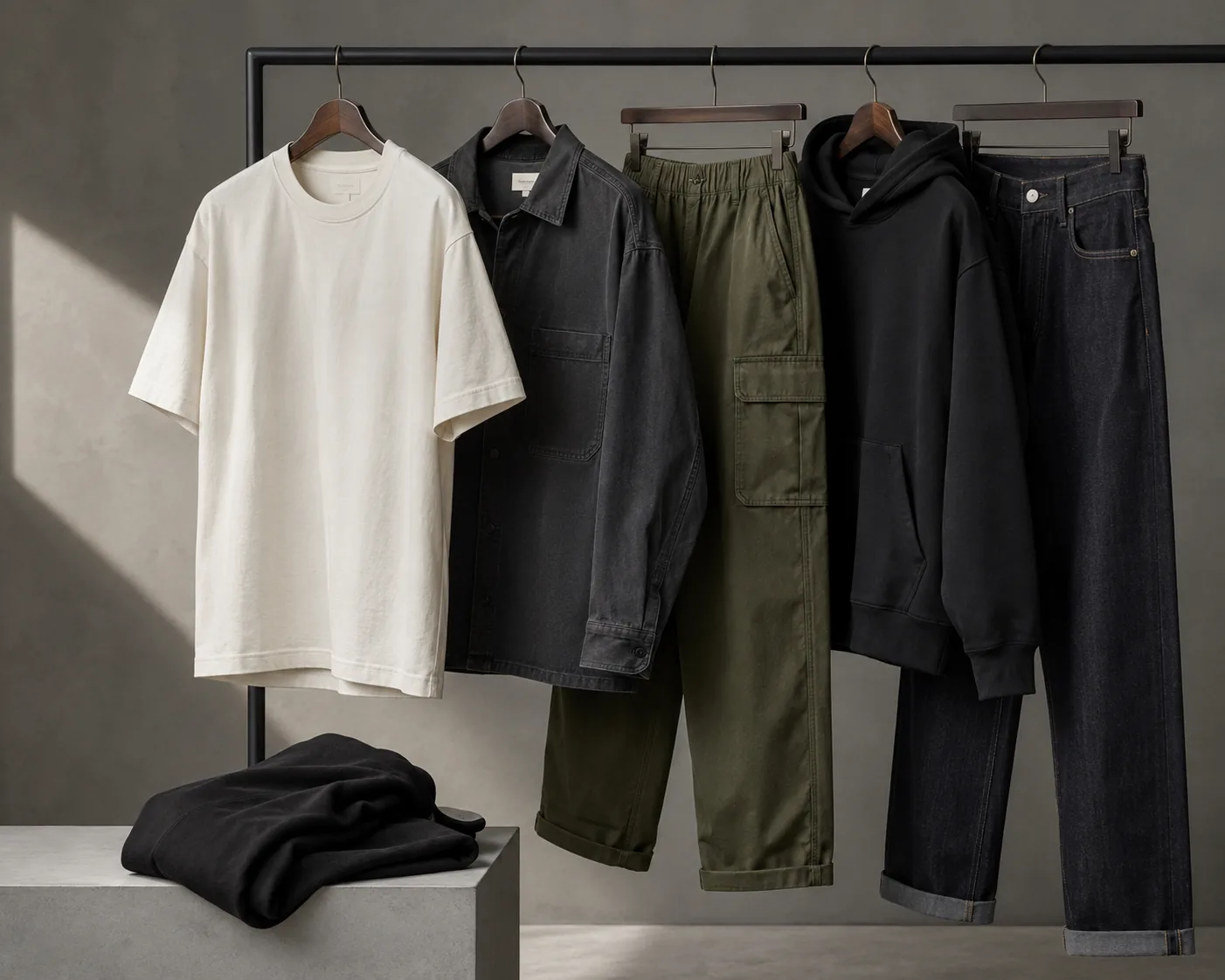
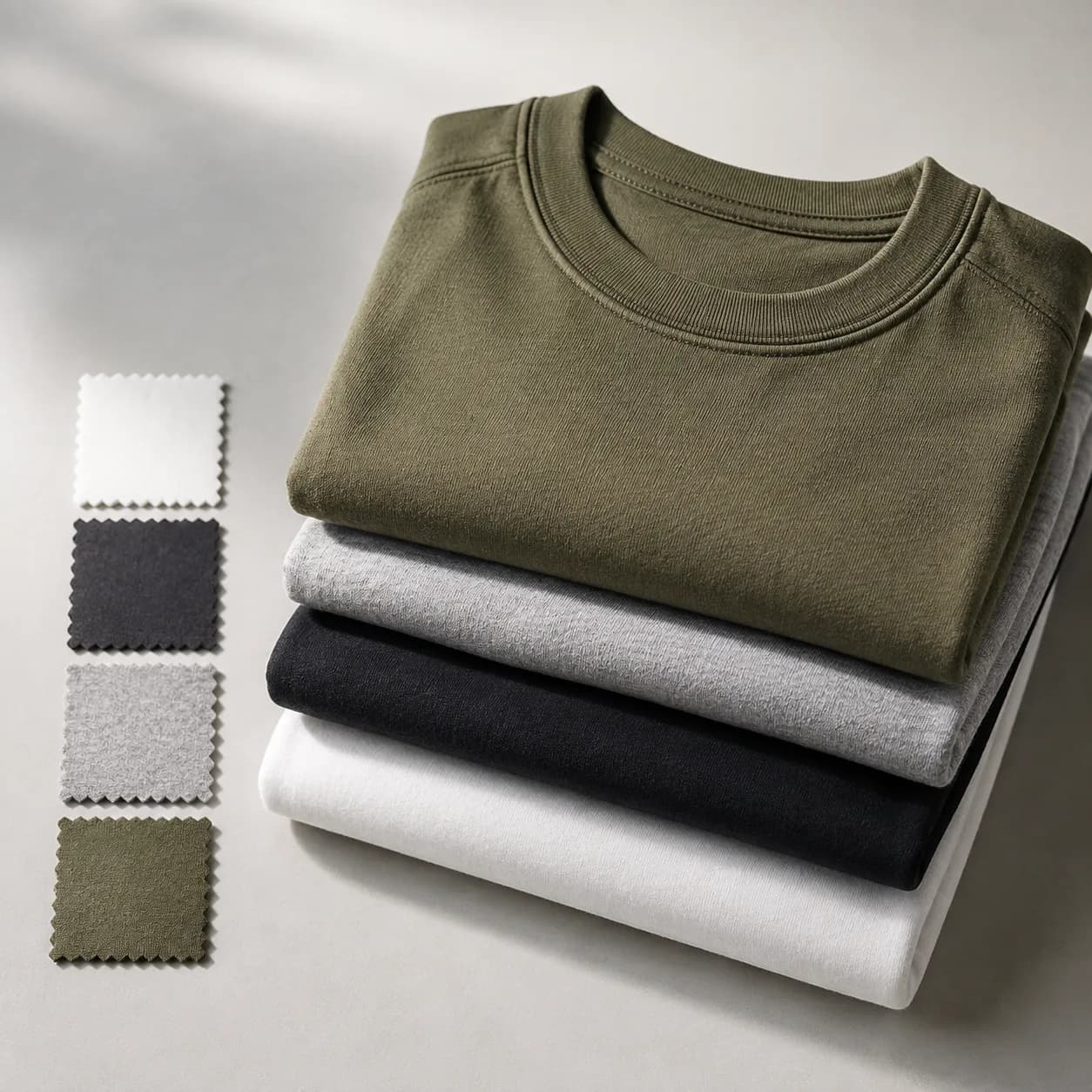
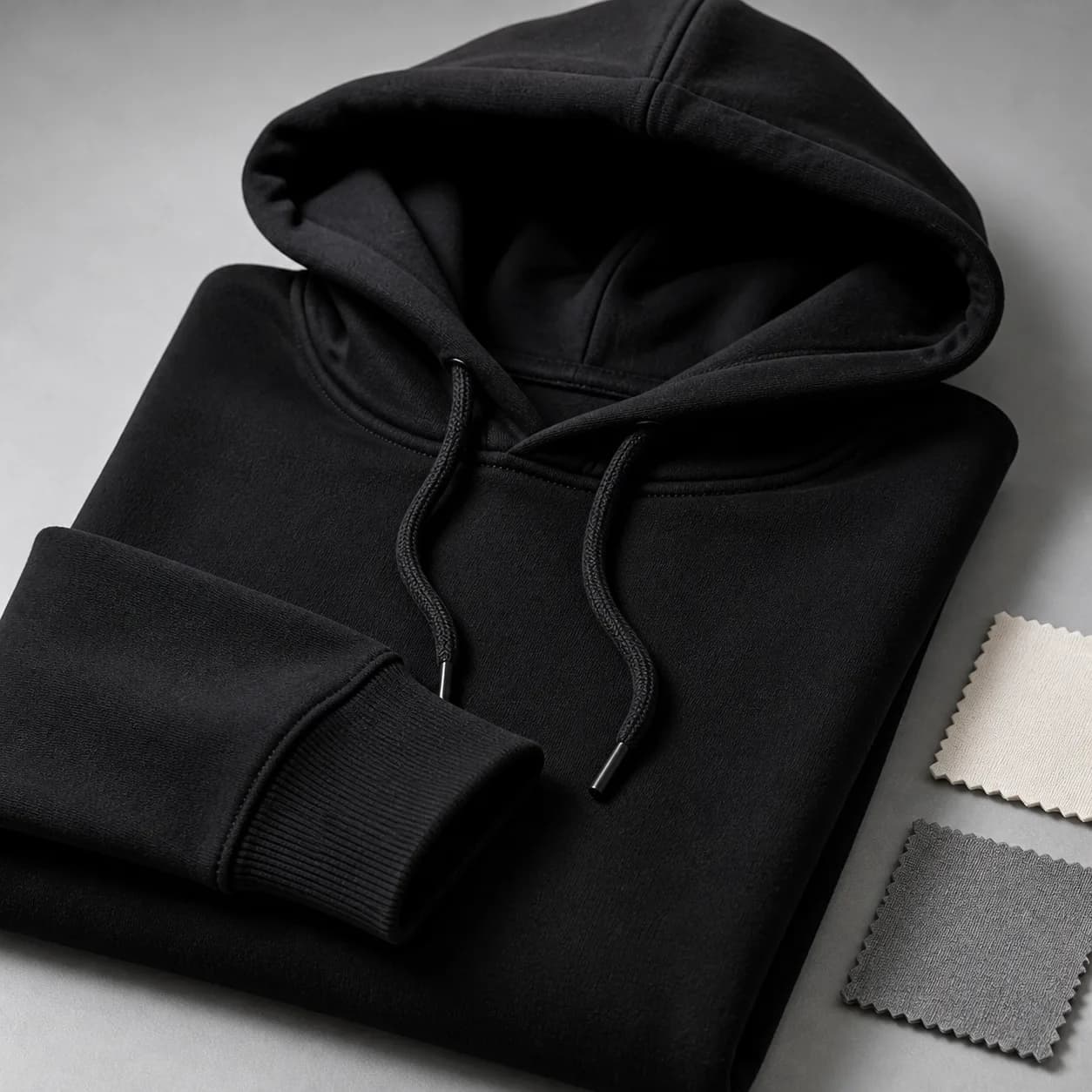
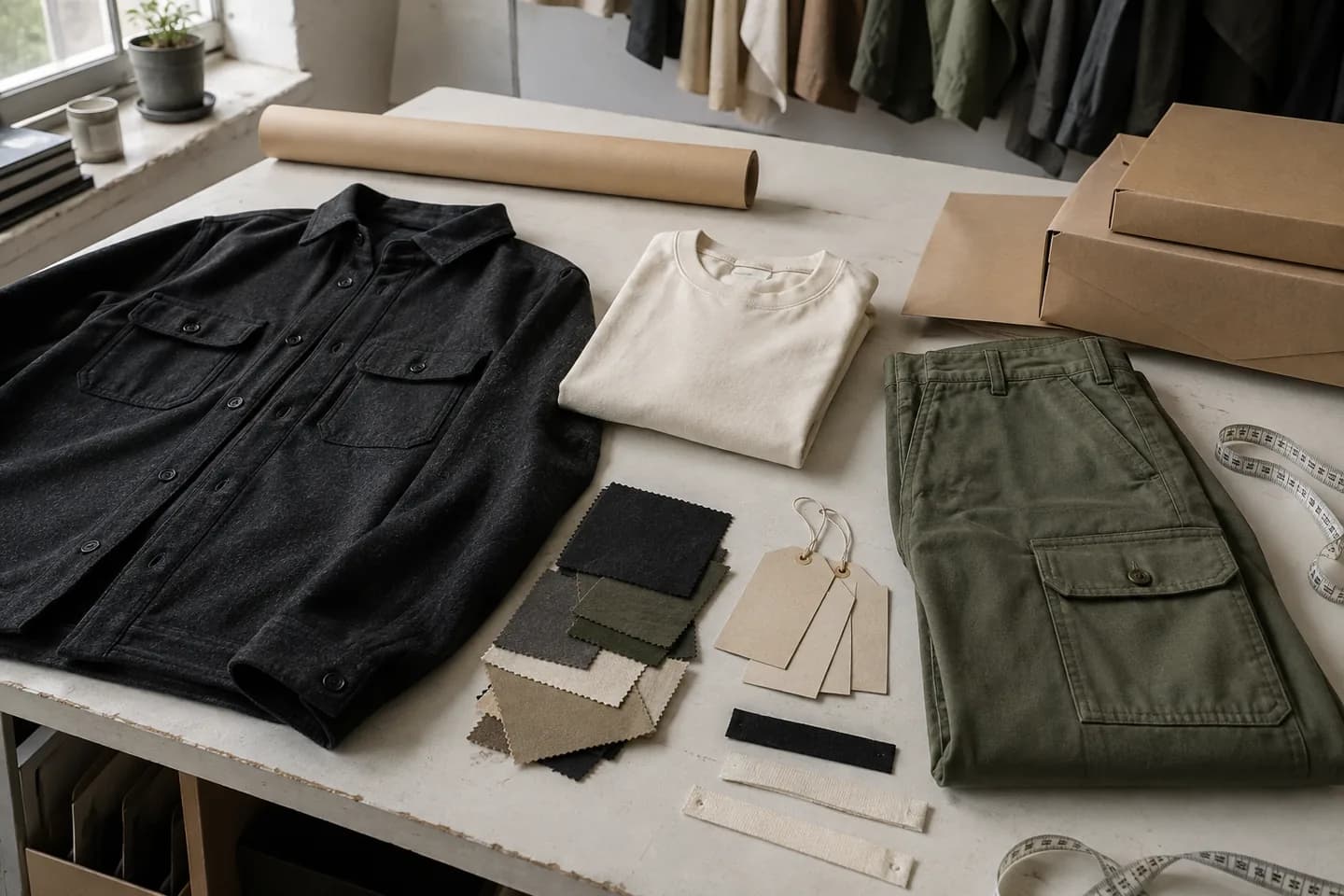
Fabric selection should reflect how the cargo shorts will be worn, washed, and positioned within the collection. Cotton twill can support a structured casual appearance, while ripstop offers a distinctive grid construction that may suit utility styling. Stretch blends can provide additional movement, but recovery and dimensional stability still need evaluation. Specify composition, target weight, weave, hand feel, and finish rather than relying on broad terms such as premium or heavy duty. If durability is central to the product proposition, agree on relevant test methods and acceptance criteria before sampling, including any abrasion, tear, or seam-strength requirements.
Wash performance matters because shrinkage, twisting, fading, and surface change can alter both fit and appearance after purchase. Ask for suitable fabric information and evaluate the selected material under the intended care instructions, especially when garment washing or special finishes are part of the design. Review color references under consistent lighting and agree on how shade variation will be assessed across production. Pocket layers, waistbands, and reinforced seams can behave differently from single-layer panels, so garment-level evaluation remains important. Avoid publishing performance claims until the relevant checks support them, and record approved fabric details for future sourcing and repeat orders.