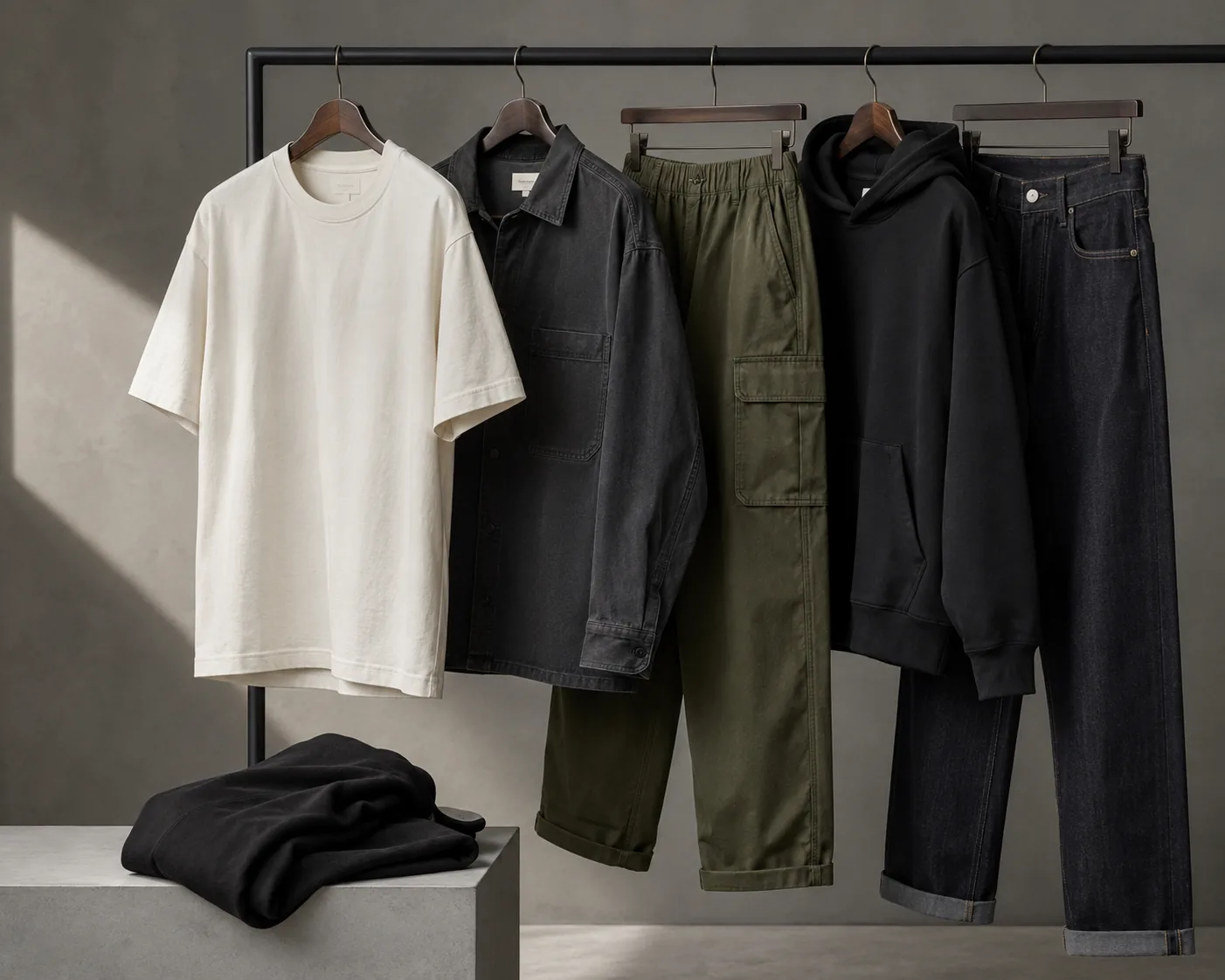
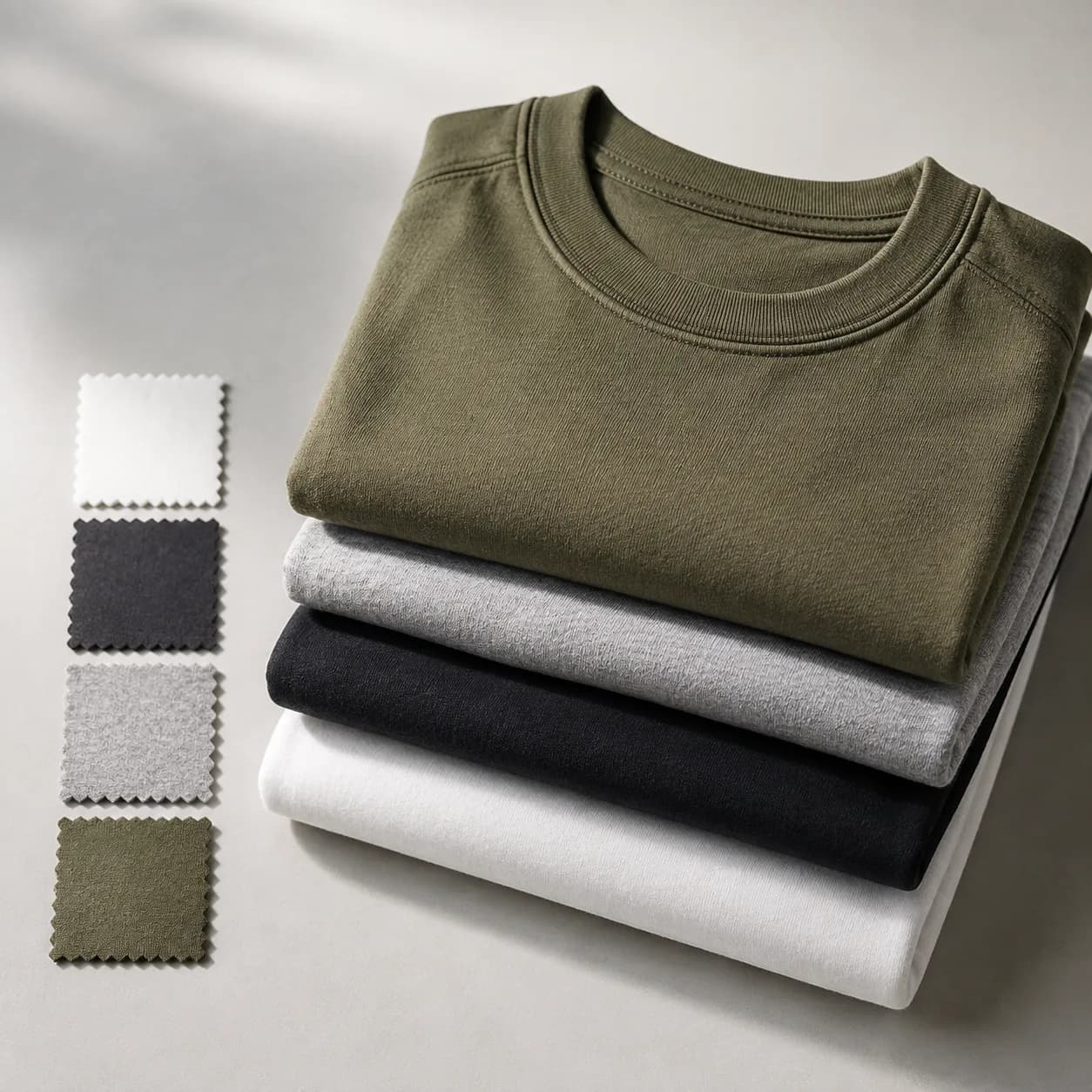
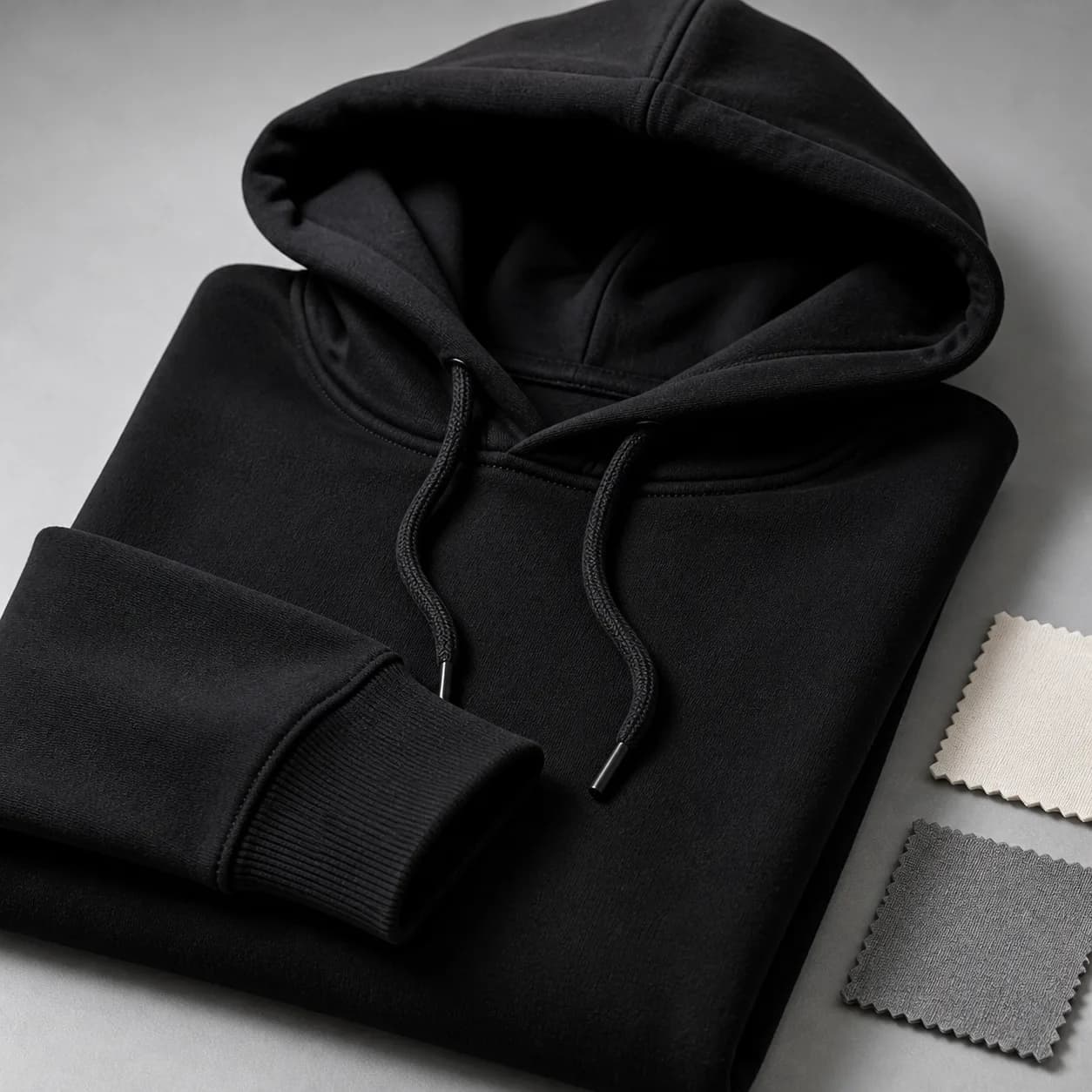
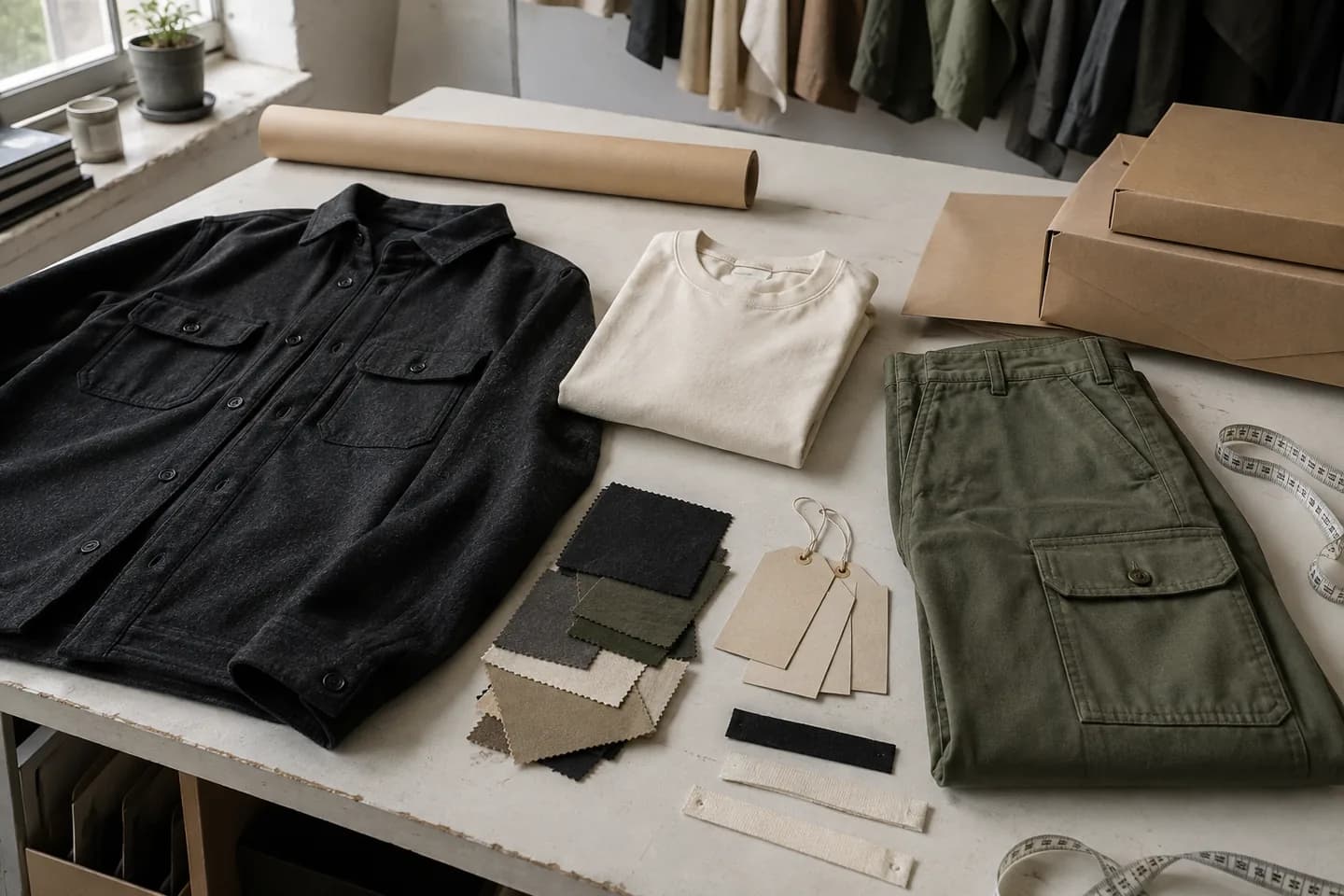
Bulk acceptance should be based on an approved specification package rather than memory of the development sample. Keep a signed or otherwise traceable garment reference, fabric swatch, measurement chart, artwork file and trim list under the same version identifier. Establish which reference controls if a photograph, comment sheet and physical sample differ. Before production, agree on inspection points for fabric identity, GSM, shade, measurements, stitching, decoration and packing. Define how inspection pieces will be selected and how nonconforming results will be handled. For thermal long sleeves, include checks that reflect use: seam extension, cuff recovery, wash-related length changes and comfort at bulky intersections. Visual inspection alone cannot confirm a performance claim or predict every laundering outcome. Separate appearance checks from any required laboratory or wear assessments, and keep the results associated with the relevant order. This creates a clearer acceptance process for both the buyer and the OEM supplier.
A reorder should reference the previous approved specification, but it should not assume that every input remains unchanged. Ask the supplier to flag proposed substitutions in yarn composition, knit construction, finishing, trims or decoration materials before production. Require written approval for changes that could affect fit, handfeel, shade, wash behavior or product claims. Retain an approved fabric swatch and garment in conditions suitable for comparison, and keep digital records of measurements and approval dates. For new fabric lots, compare shade and texture against the agreed reference and repeat the checks relevant to identified risks. Review customer feedback from the first order, separating actual defects from preferences before changing the specification. If an improvement is approved, issue a new version rather than quietly modifying the repeat order. Confirm reorder quantity and allocation early; MOQ remains 100 pcs, and bulk lead time depends on quantity. Document the new order's schedule instead of copying an earlier delivery assumption.