What belongs in a heavyweight T-shirt manufacturer RFQ?
Start with Target GSM, Cotton composition, Neck rib width, Garment wash need. Add the quantity by color and size, destination country and required date.
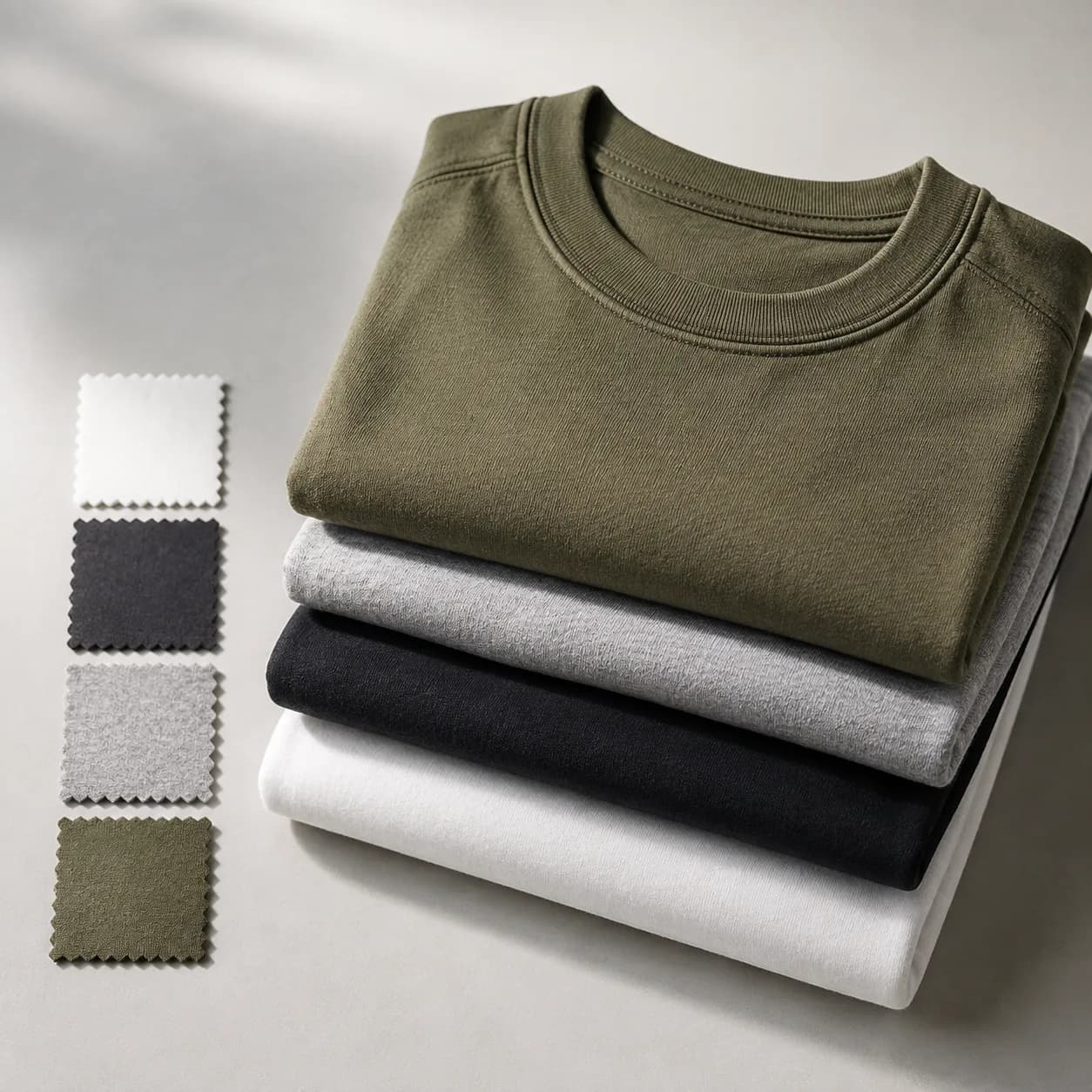
For a heavyweight cotton T-shirt, compare jersey structure, surface feel and neck-rib recovery alongside fabric weight. A target such as 240 or 300 GSM is a sourcing request, not a stock commitment or a quality rating. Confirm the actual fabric and finish before sampling.
Source structured jersey, test shrinkage, tune neck ribs, control oversized proportions and finish branding details.
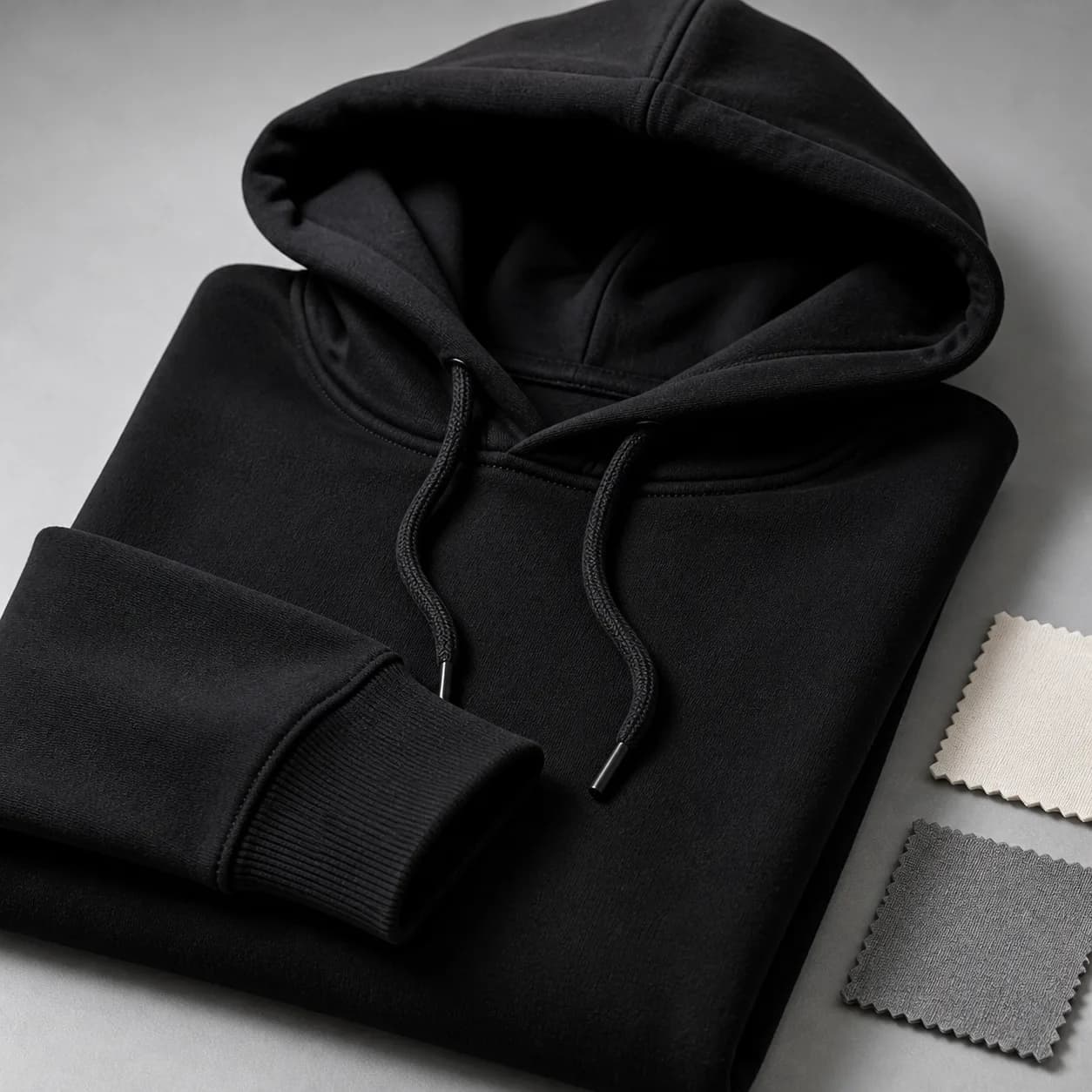
Fleece or French terry
Pullover, zip, wash, embroidery and puff print paths.MOQ 100 pcs220-280 GSM jersey
Oversized fit, neck rib, print and label package.Quote by tech pack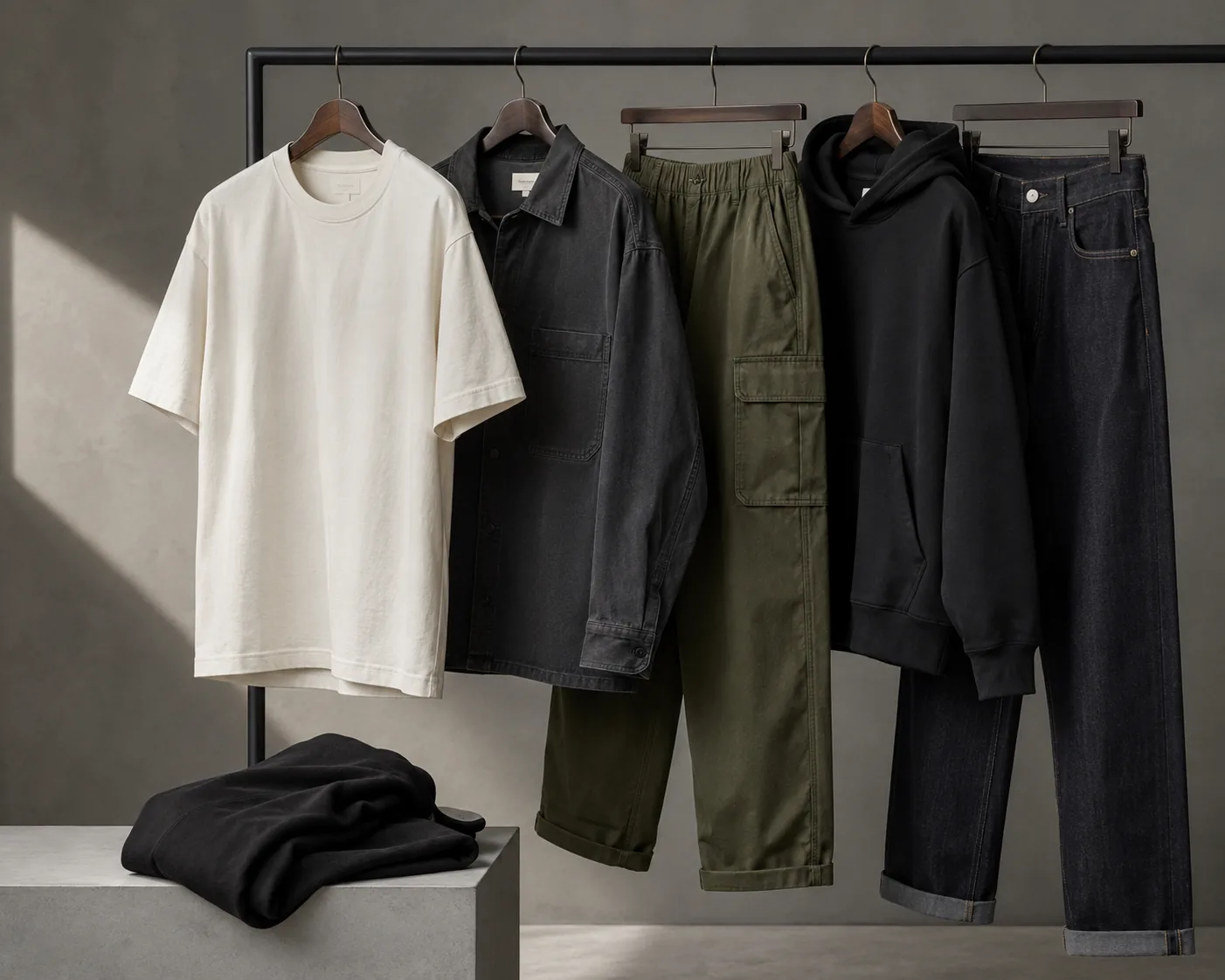
Denim and twill
Jeans, jackets, carpenter pants and hardware trims.Sample first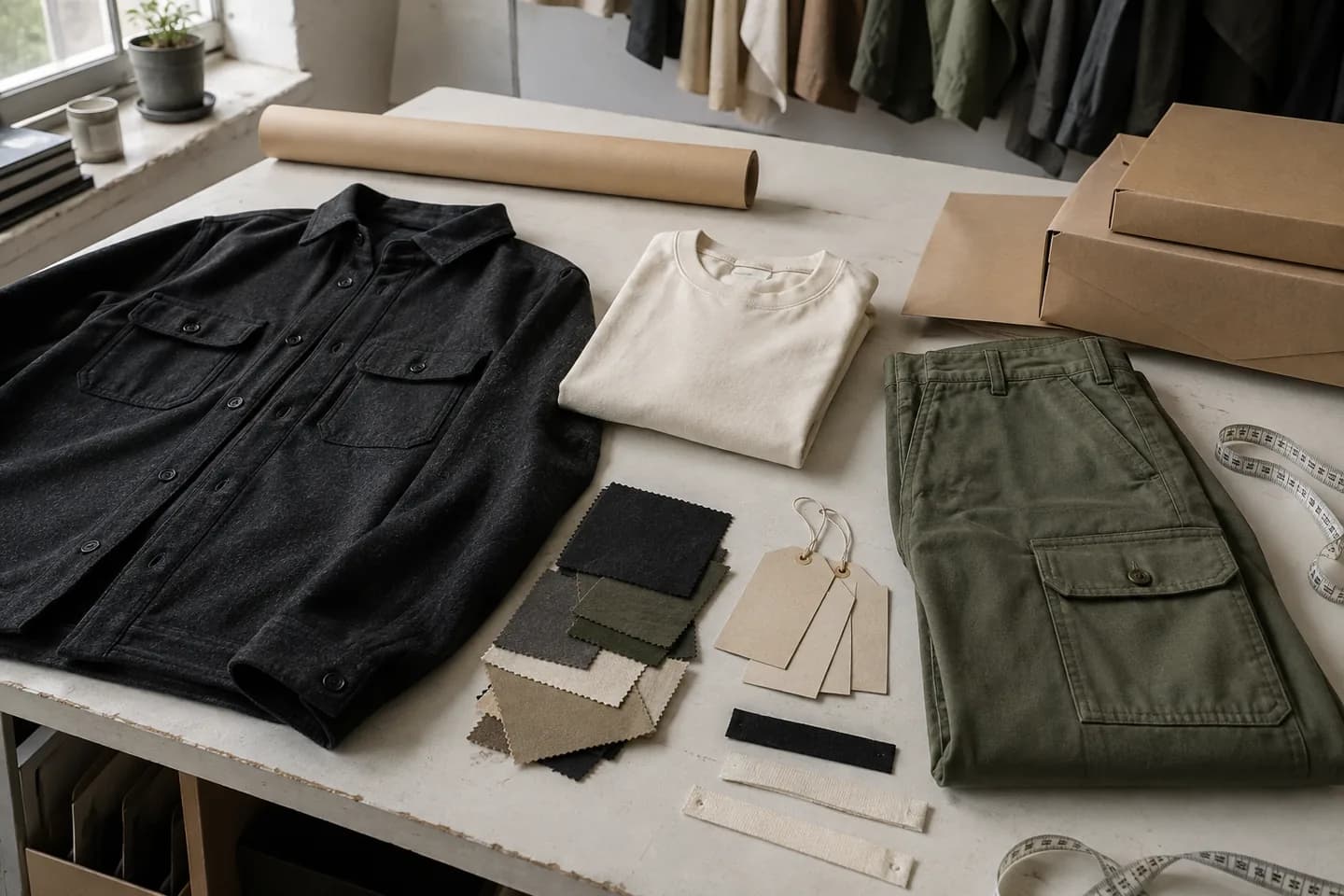
Labels and packaging
Neck labels, care labels, hang tags, zipper pulls and bags.Pack by SKUThese are the details a factory needs before discussing MOQ, sampling, lead time and production scope.
Start with Target GSM, Cotton composition, Neck rib width, Garment wash need. Add the quantity by color and size, destination country and required date.
The sample should resolve Heavy jersey, Pigment wash, Puff print and record the approved measurements, materials, trims and finish before bulk.
MOQ is 100 pcs. Samples take 7 days. Bulk production lead time depends on order quantity.
Fabric hand feel, Shrinkage test, Neck rib recovery, Print cracking review should be compared with the approved sample and packing requirements before release.
A heavyweight tee uses a denser jersey that feels more substantial and holds its shape. The exact weight is a brand choice; describe the feel you want or send a reference garment, and confirm the fabric option at the sample stage.
Heavier fabric changes construction. Neck ribs, shoulder seams and hems need to suit the weight so the tee does not feel stiff or twist.
Include in your brief:
Heavyweight tees often sit at a higher price point, so finishing details — neck tape, woven labels, clean hems — matter. The MOQ is 100 pcs and samples typically take 7 days. Compare with the oversized and custom T-shirt programs.
Will a heavyweight tee shrink? It can, depending on fabric and finishing. Measure the sample after washing and adjust the pattern if needed. Does a heavier tee need a different fit? Usually a relaxed or boxy fit suits the structure better than a slim fit.
Customers judge weight from photos, so show how the tee holds its shape: the shoulder line, the neckline and the hem. Close-ups of the neck rib help communicate quality.
Heavyweight tees pair naturally with cargos and heavy hoodies. Plan colors together so they work as outfits.
Dense jersey can show color differently from lighter fabric. Approve each color on the heavyweight fabric itself, not from a swatch of another weight.
A T-shirt collar is a small component with a large effect on the silhouette. Neck opening, rib width, attachment and material behavior all influence how it sits. Specifying only thick rib or tight neck leaves the factory to decide several features that should be reviewed together on a finished tee.
Read the guide Fabric comparisonGarment dyeing colors a sewn T-shirt; piece dyeing colors the fabric before cutting and sewing. For a brand buyer, that sequence changes what needs to be approved, from collar tone to final dimensions.
Read the guide Fabric comparisonSingle jersey and interlock can both work for custom menswear T-shirts, but they solve different buying problems. Single jersey usually suits lighter, more relaxed styles and offers broad sourcing options. Interlock generally delivers a smoother surface on both sides and a fuller hand, which can support cleaner silhouettes. Neither construction alone guarantees opacity, shrinkage control, or durability. This guide compares fabric behavior, garment development, decoration, and costing so buyers can write a clearer brief, compare equivalent quotations, and approve representative samples before committing to bulk production. Start with the intended fit and use, then confirm performance on the actual fabric.
Read the guideInclude references, quantity, fabric target, color count, logo files, packaging notes and the delivery window.