What belongs in a custom waffle knit manufacturer RFQ?
Start with Waffle vs flat thermal direction, Target GSM and composition, Fit and size chart, Neck and cuff finish. Add the quantity by color and size, destination country and required date.
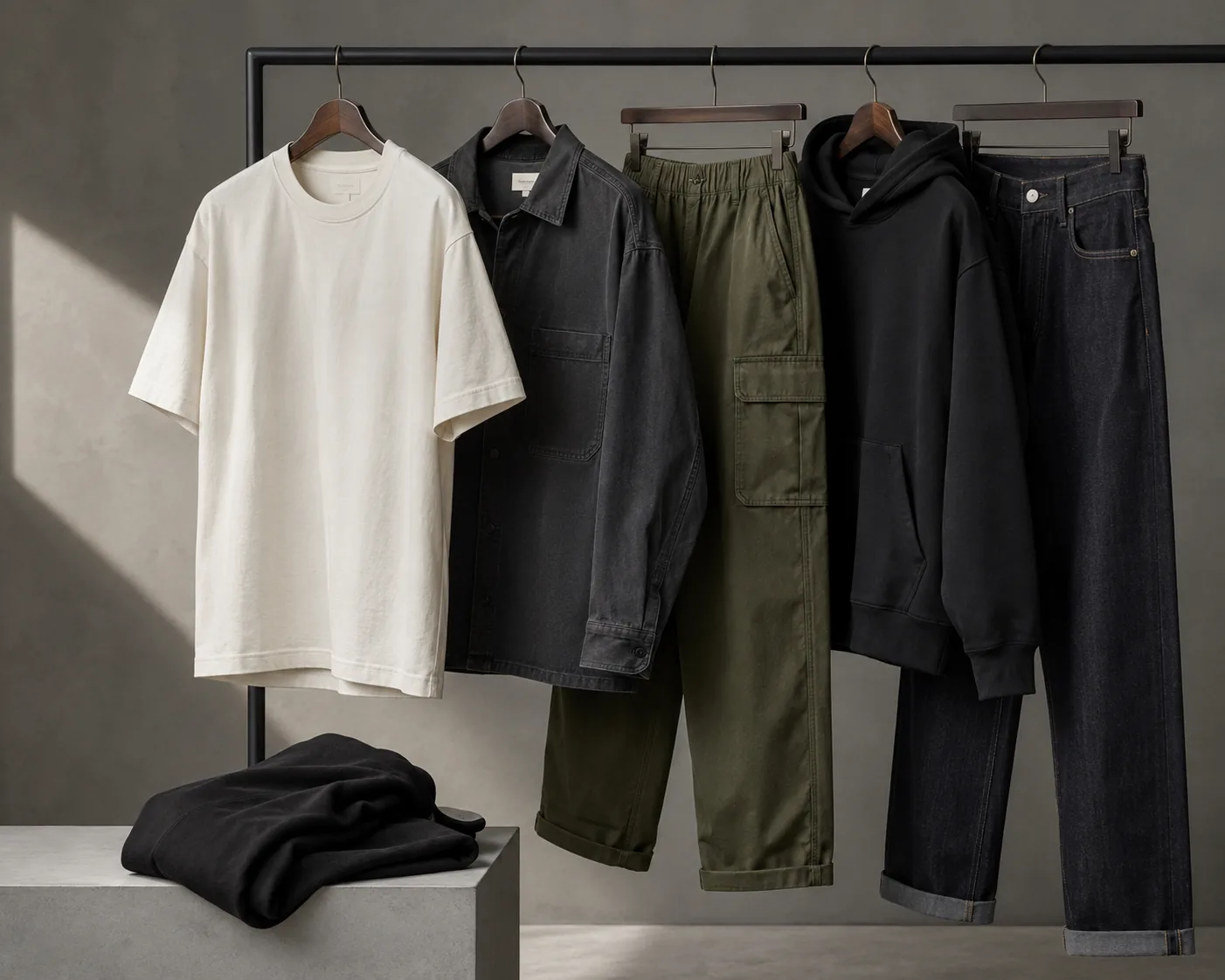
Develop custom waffle knit tees, long sleeves or sets with a defined texture, weight direction and branding, sampled before bulk.
Lock the waffle texture and GSM direction on a swatch, then approve body fit, neck finish and decoration on a finished sample.
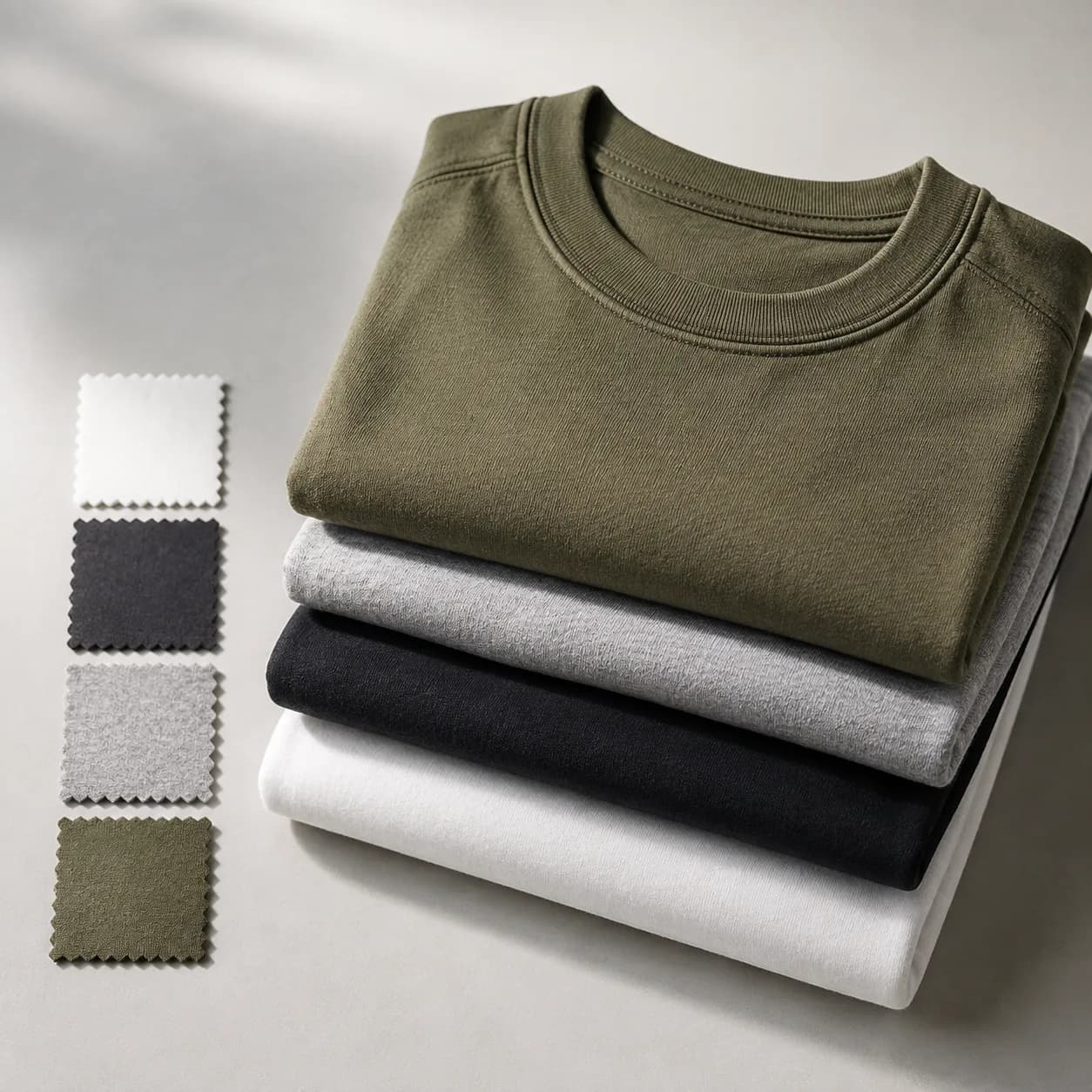
220-280 GSM jersey
Oversized fit, neck rib, print and label package.Quote by tech pack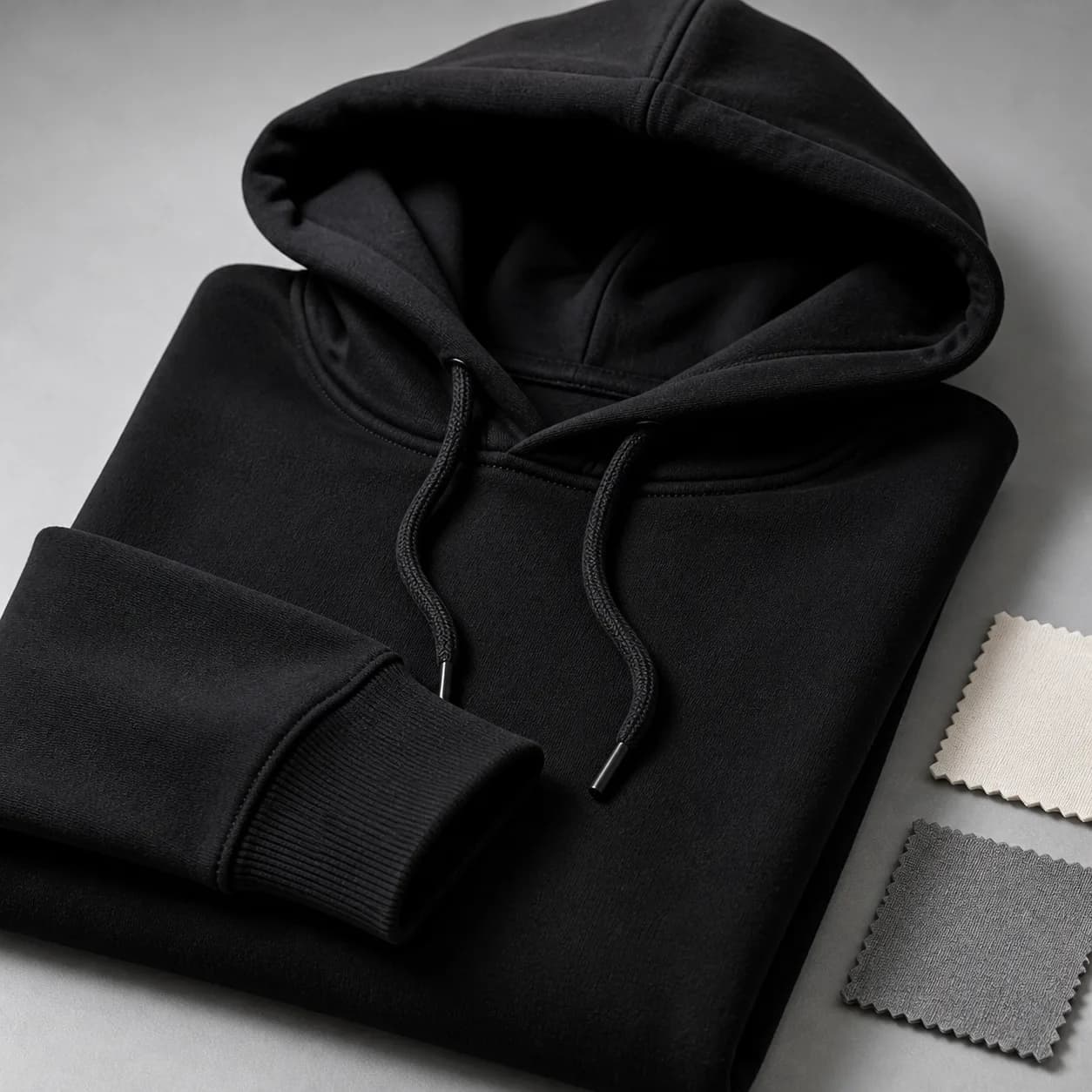
Fleece or French terry
Pullover, zip, wash, embroidery and puff print paths.MOQ 100 pcsDenim and twill
Jeans, jackets, carpenter pants and hardware trims.Sample first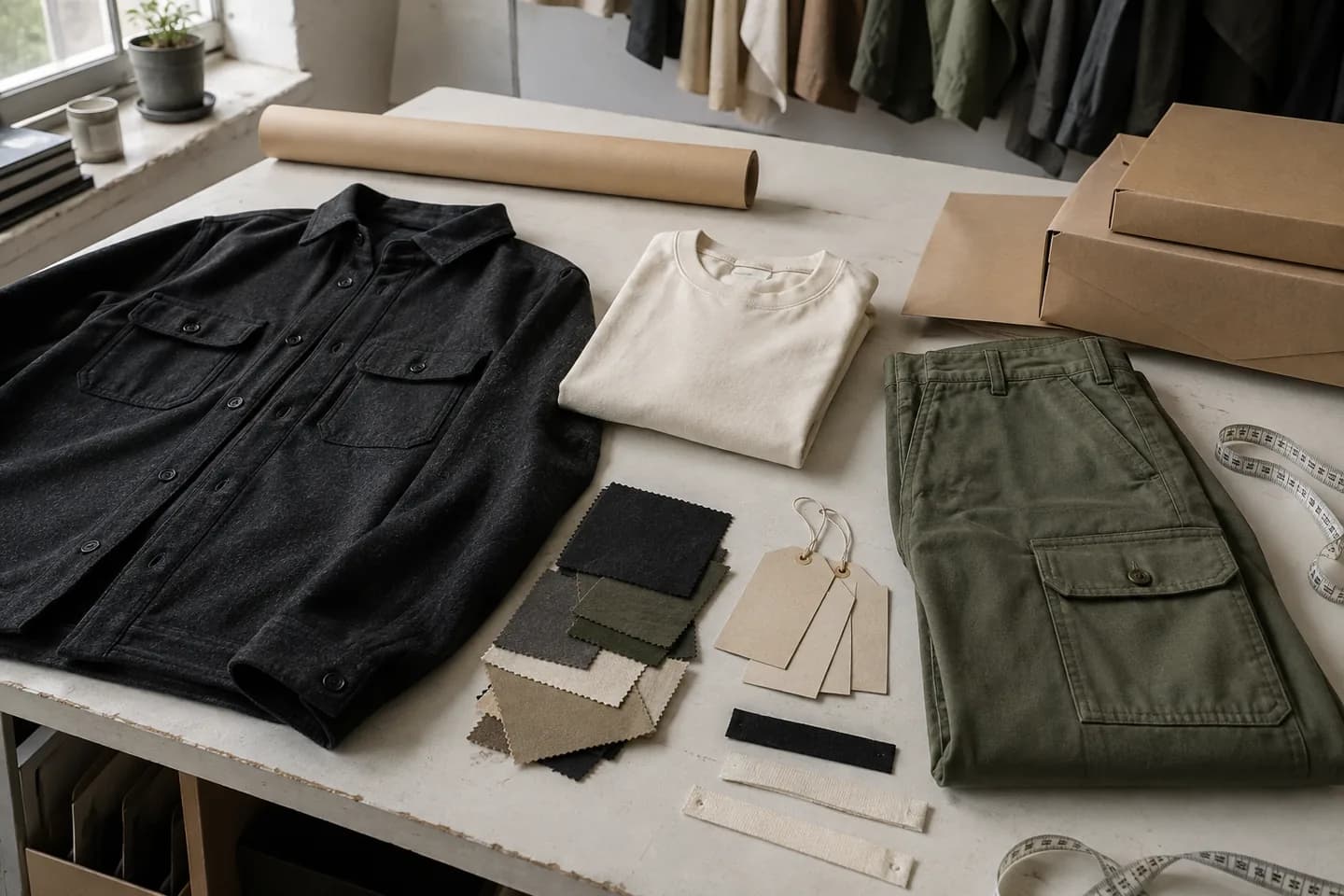
Labels and packaging
Neck labels, care labels, hang tags, zipper pulls and bags.Pack by SKUThese are the details a factory needs before discussing MOQ, sampling, lead time and production scope.
Start with Waffle vs flat thermal direction, Target GSM and composition, Fit and size chart, Neck and cuff finish. Add the quantity by color and size, destination country and required date.
The sample should resolve Fashion waffle tee, Long-sleeve waffle, Thermal-look base layer and record the approved measurements, materials, trims and finish before bulk.
MOQ is 100 pcs. Samples take 7 days. Bulk production lead time depends on order quantity.
Texture consistency, GSM check vs brief, Neck recovery, Decoration on textured face should be compared with the approved sample and packing requirements before release.
A sourcing brief should not treat waffle and thermal as interchangeable specifications. Waffle describes a recognizable grid or cellular surface created through knit construction. Thermal often describes an intended use or merchandising category rather than one precise fabric structure. A supplier may use thermal jersey to describe a relatively flat knitted base layer, while another may use the term for a textured waffle fabric. Neither name alone establishes warmth, weight, stretch, or suitability for underwear. When approaching a custom waffle knit manufacturer, include close-up images or a physical fabric reference and explain which characteristics matter. State whether the priority is a visible waffle pattern, comfortable next-to-skin wear, a substantial fashion silhouette, or a combination of these requirements.
Compare proposed fabrics using the same criteria instead of approving a trade name. Ask for composition, finished weight, structure, stretch behavior, and finishing details to be identified for each candidate. Evaluate hand feel and coverage in the condition in which the garment will be sold, then repeat the assessment after an agreed laundering process. A fabric that looks substantial when relaxed may become more transparent or lose its visual texture when stretched over the body. Likewise, a pronounced surface may create unwanted bulk beneath another layer. If warmth is central to your product claim, define the conditions and evidence needed to support that claim rather than assuming that any waffle surface proves thermal performance.
GSM is the weight of fabric in grams per square meter, and it is a useful control point rather than a complete description of quality or warmth. Two fabrics with the same GSM can differ noticeably in thickness, openness, softness, and stretch because their yarns, knit structures, and finishes differ. For a waffle program, specify that your target relates to finished fabric and agree on how it will be measured. Include an acceptable tolerance in the approval documentation instead of relying on a single number in an email. Use the intended garment to guide selection: a close-fitting thermal top needs a different balance of weight and mobility from an oversized hoodie designed to hold a relaxed shape. Weight should be reviewed together with waffle cell size, surface depth, and behavior after washing.
Knit relaxation and dimensional change can affect both garment measurements and how dense the texture appears. Ask for a practical wash assessment that records the care procedure, starting measurements, post-wash measurements, and visible changes. Establish how long garments should rest before measurement and whether dimensions are taken with the fabric relaxed. This reduces disputes caused by different measuring methods. For coordinated sets, also compare the top and bottom fabrics together rather than reviewing them in isolation. Their shades, texture scale, and drape should support the intended outfit, even when different structural requirements lead you to specify different weights.
Thermal underwear should be developed around how it sits against the body and beneath other garments. A close-fitting pattern is not simply a smaller version of a fashion tee. Your brief should address mobility, stretch and recovery, seam placement, neckline coverage, sleeve length, and any areas where bulk could cause irritation. For bottoms, specify the intended waist position, waistband behavior, rise, leg shape, and ankle finish. Use a fit review that includes sitting, bending, and reaching rather than judging the sample only on a hanger. If the design depends on stretch, check whether the chosen fabric and seams accommodate the same movement. A stretchy body fabric paired with restrictive stitching can undermine the intended fit. Fashion waffle tees, hoodies, and matching sets require a different approval lens.
Define the intended shoulder position, body volume, sleeve shape, and length with measurements and visual references. Consider how the fabric supports a hood, pocket, or heavier trim, since added components can pull on a more open knit. Neckbands, cuffs, and hems should be evaluated for their effect on the silhouette as well as their recovery. A relaxed tee may need a cleaner neckline than a deliberately slouchy lounge style, while matching bottoms may require attention to seat and knee recovery. Keep separate fit blocks and acceptance criteria for thermal and fashion products, even when they share a color palette or similar waffle appearance.
Branding should be developed on the proposed production fabric, not approved only from artwork or a smooth-fabric example. The raised and recessed areas of a waffle knit can change the appearance of small lettering, fine lines, and solid graphic areas. Embroidery may compress the texture or create puckering, while a print can look different across the peaks and recesses. Patches introduce their own weight and attachment requirements. Treat these methods as options to assess with the factory rather than assumed capabilities or confirmed outcomes. Provide artwork at the intended size, identify colors and placement, and explain which visual details are essential. A simpler mark or a different location may provide a more consistent result than reproducing a complex design unchanged.
Labels and trims also need a garment-specific review. For next-to-skin thermal pieces, check label edges, attachment points, and any backing that could affect comfort. For fashion pieces, review how neck labels, hem tabs, or patches interact with the relaxed texture and garment drape. Document branding placement from a clearly defined reference point so the measurement remains usable across sizes. Include proposed fiber, care, size, and origin information in the brief, and have the responsible team confirm applicable labeling requirements for the destination market. Do not assume that a generic label layout covers every selling region. Before approval, inspect the complete branded sample after the agreed care process for distortion, attachment problems, loss of legibility, and changes in hand feel.
The manufacturing arrangement is menswear OEM/private label production at a factory in China, with an MOQ of 100 pcs. Confirm how that minimum applies to your proposed style, color, and size allocation before finalizing the range; the minimum alone does not define those splits. Samples typically take 7 days once the brief and materials are confirmed. Treat that timing as conditional on a complete brief and confirmed inputs, not as a promise that sourcing, revisions, and delivery are all included within the same window. Send a technical pack with measurements, construction details, fabric references, artwork, and a clear list of decisions the sample must answer. Distinguish requirements that are fixed from preferences that can be adjusted during development. Review the sample in a structured sequence: confirm the material and texture, assess fit and movement, inspect construction, and then evaluate branding and laundering results.
Record comments with photographs, measurement differences, and a specific requested action instead of broad instructions such as improve quality. When changes are made, identify the updated version and clarify whether another physical approval is needed. Keep an approved sample and its written specifications as the reference for bulk evaluation. Bulk lead time depends on quantity, so request a production schedule against the confirmed order rather than relying on a general estimate. Agree on approval checkpoints and the handling of deviations before production proceeds.
Include references, quantity, fabric target, color count, logo files, packaging notes and the delivery window.