What belongs in a cut and sew manufacturer RFQ?
Start with Pattern or sample reference, Fabric width and shrinkage, Stitching details, Trim placement. Add the quantity by color and size, destination country and required date.
Cut and sew manufacturing is the right path when a buyer wants original fit, construction and details instead of decorating blanks.
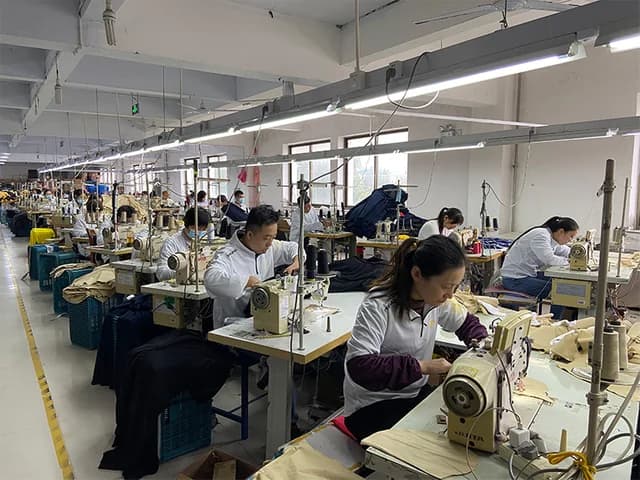
Panel matching
Stitching tension
Seam strength
Finished measurement
Panel matching
Stitching tension
These are the details a factory needs before discussing MOQ, sampling, lead time and production scope.
Start with Pattern or sample reference, Fabric width and shrinkage, Stitching details, Trim placement. Add the quantity by color and size, destination country and required date.
The sample should resolve Custom pattern work, Sewing line setup, Pre-shrink planning and record the approved measurements, materials, trims and finish before bulk.
MOQ is 100 pcs. Samples take 7 days. Bulk production lead time depends on order quantity.
Panel matching, Stitching tension, Seam strength, Finished measurement should be compared with the approved sample and packing requirements before release.
Cut and sew means the garment is made from fabric to your own pattern, rather than decorated on a ready-made blank. You control the fit, fabric, construction and details, which is how brands create products that cannot be found elsewhere.
The trade-off is more development: a pattern must be made and sampled, and fabric and trims sourced to your direction. A clear brief and realistic sample schedule keep that manageable.
Cut and sew is usually the better choice when:
Send references, measurements or a garment to match, plus fabric direction and quantity. The MOQ is 100 pcs and samples typically take 7 days once the brief is confirmed. See the custom T-shirt and private label programs, or read private label vs cut and sew in resources.
Is cut and sew more expensive than printing on blanks? Usually per piece, yes, because you pay for development and your own fabric and pattern. In return you get a product that is yours and can be reordered consistently. Many brands start with one cut-and-sew hero product and expand from there.
Many brands choose cut and sew manufacturing in China for the depth of fabric and trim sourcing available. What matters most is clear communication: a detailed brief, written approvals and a sample that becomes the reference for bulk.
Keep your approved pattern record for reorders.
Private label describes selling a product under your brand. Cut and sew describes making garments from fabric panels. The terms can overlap: a private-label collection may use fully custom cut-and-sew development. Ask what will actually be changed rather than treating the two labels as fixed service packages.
Read the guide Production planningSend a concise, version-controlled brief that lets a China clothing manufacturer assess feasibility, clarify the order minimum, quote against consistent specifications, and plan sampling. Include product references, construction details, material requirements, quantities, sizing, delivery expectations, and the questions that still need answering.
Read the guideInclude references, quantity, fabric target, color count, logo files, packaging notes and the delivery window.